
Retail, FMCG & Digital ProjectsRetail, FMCG & Digital
Retail, FMCG & Digital Sector in Ethiopia
Sector Overview
The retail and fast-moving consumer goods (FMCG) sector in Ethiopia is experiencing steady growth, driven by population expansion, urbanization, and rising consumer incomes. Alongside traditional retail outlets, modern supermarkets, convenience stores, and e-commerce platforms are emerging to serve evolving consumer preferences. The digital economy is also taking shape, with strong momentum in online shopping, digital payments, and HR-tech platforms.
Retail & FMCG Market
-
Traditional Retail dominates, with open markets, kiosks, and small shops handling the majority of consumer transactions.
-
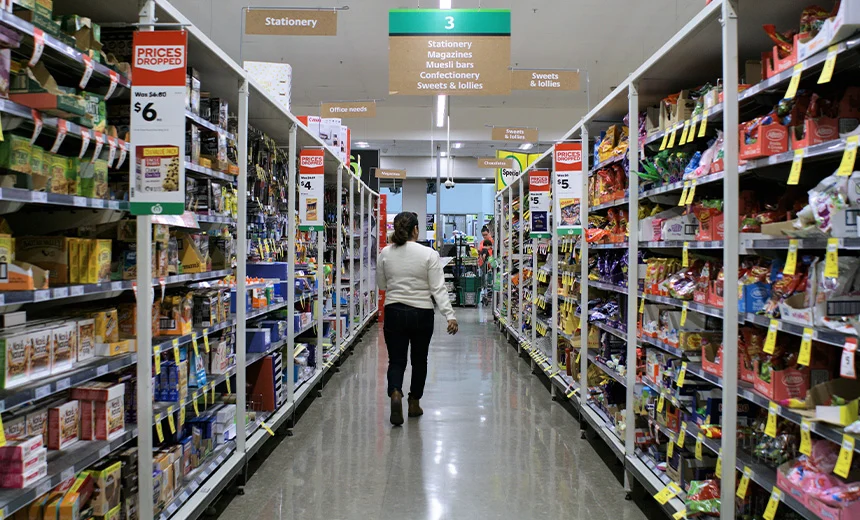
Modern Retail is expanding, particularly in Addis Ababa, through supermarkets, minimarkets, and shopping malls. Companies like Allmart and other local chains are shaping structured retail.
-
FMCG Demand is rising across packaged foods, beverages, personal care, and household products as consumers shift from unbranded to branded goods.
-
Distribution & Supply Chains remain fragmented, creating opportunities for logistics, warehousing, and cold-chain solutions.
Digital & E-Commerce Market
-
Ethiopia’s young, tech-savvy population and improving internet penetration are driving growth in online platforms.
-
eCommerce projects like Gebeya251 (online shopping), Ethiopia251 (bookstore), and Jobs251 (job portal) reflect the rise of digital services.
-
Fintech & Digital Payments are expanding following reforms by the National Bank of Ethiopia that allow private mobile money and digital wallet operations.
-
Digital Ecosystem is still at an early stage but offers huge potential in retail integration, B2C platforms, and gig-economy services.
Demand Drivers
-
Demographics – Over 70% of Ethiopians are under 30, creating long-term consumer demand.
-
Urbanization – Expanding cities drive consumption of modern retail and FMCG.
-
Income Growth – Rising middle-class increases demand for branded consumer goods.
-
Digital Shift – Mobile phone penetration and internet expansion fuel e-commerce adoption.
-
Diaspora Influence – Consumer trends from abroad are shaping local expectations for retail and digital services.
Retail, FMCG & Digital – Project-Specific Tasks
|
Client / Project |
Market Study |
Technical Study |
Financial Study |
Legal / Regulatory |
Environmental |
|
ALLMART – Supermarket |
Assess demand for organized retail in Addis; benchmark against Shoa, Safeway. |
Supermarket facility design, cold chain, POS system. |
CAPEX for construction, inventory, logistics; ROI from retail margins. |
Business license, food handling & hygiene permits. |
Waste management (packaging, food). |
|
GEBEYA251 – Online Shopping Platform |
Study demand for eCommerce in Ethiopia; benchmark against Jumia, local platforms. |
E-commerce platform development (website, app, payment system). |
CAPEX for tech + logistics; ROI from commissions & delivery fees. |
Business license, NBE e-payment regulations. |
Digital data compliance. |
|
ETHIOPIA251 – Online Bookstore |
Assess demand for online book sales (academic, leisure); study shipping/logistics gaps. |
Online bookstore platform; logistics chain for distribution. |
CAPEX for platform + inventory; ROI from sales margin. |
Licensing for book trade & copyright compliance. |
— |
|
JOBS251 – Online Job Portal |
Study demand for job-matching platforms (graduates, employers). |
Portal development (CV database, employer dashboards). |
CAPEX for platform; ROI from employer subscriptions & ads. |
MoLS compliance, ICT business license. |
Data privacy compliance. |
Looking for a First-Class Business Plan Consultant?
Retail, FMCG & Digital – Market Potential in Ethiopia
Ethiopia’s retail and consumer goods market is among the most attractive in Sub-Saharan Africa due to its large population, young demographics, and rapid urbanization. At the same time, the digital economy is expanding quickly, opening new opportunities in e-commerce, fintech, and online services.
Key Market Potentials
Retail & FMCG
-
Large Consumer Base: With more than 120 million people, Ethiopia offers one of the largest consumer markets in Africa.
-
Urbanization: Growing urban centers are driving demand for supermarkets, shopping malls, and organized retail outlets.
-
Branded Consumer Goods: Shifting preferences from traditional and unbranded products to packaged foods, beverages, personal care, and household goods.
-
Import Substitution: Ethiopia imports many FMCG products, creating opportunities for local manufacturing and distribution networks.
-
Diaspora & Middle-Class Demand: An expanding middle class and diaspora-driven consumer habits increase appetite for higher-quality products.
Digital Economy
-
E-Commerce Growth: Projects such as Gebeya251 (online shopping), Ethiopia251 (online bookstore), and Jobs251 (HR-tech/job portal) show strong market traction.
-
Mobile & Digital Payments: Financial sector liberalization allows private mobile money operators, driving integration between retail and fintech.
-
Tech-Savvy Demographics: Over 70% of the population is under 30, fueling adoption of mobile-first services and digital retail platforms.
-
Early-Stage Market: Low current penetration of e-commerce means high growth potential as internet coverage expands.
Opportunities
-
Expansion of modern retail chains and supermarkets in Addis Ababa and secondary cities.
-
Establishment of local FMCG manufacturing plants to replace imports.
-
Growth of logistics, warehousing, and distribution services to serve both FMCG and digital retail.
-
E-commerce platforms integrated with mobile money and digital wallets.
-
Development of digital service platforms (education, HR-tech, healthcare, tourism) leveraging Ethiopia’s growing internet penetration.
Outlook
The Retail, FMCG & Digital sector in Ethiopia is poised for sustained double-digit growth over the next decade. The strongest areas of potential are:
-
Supermarkets and modern retail outlets,
-
Locally produced FMCG brands,
-
E-commerce platforms, and
-
Integrated digital payment systems